Post Your Requirement
  • 20 Jan 2026

Arabica vs Robusta Coffee Beans: Taste Profile, Caffeine, Buyer Preference & Demand (Wholesale Price and Supply in India)

Coffee consumption in India has witnessed steady growth over the last decade, driven by changing lifestyles, café culture expansion, and increasing preference for premium beverages. Alongside traditional tea-drinking habits, coffee is now a daily essential for urban households, offices, cafés, and hospitality businesses. Globally, coffee remains one of the most traded agricultural commodities, with demand continuing to rise across Europe, the Middle East, Asia, and North America.

Among the many coffee varieties available worldwide, Arabica and Robusta dominate international trade due to their distinct taste profiles, adaptability, and commercial viability. Together, they account for more than 95% of global coffee production, making them the backbone of both retail coffee markets and large-scale commercial supply chains.

This comparison aims to provide a clear and practical understanding of Arabica vs Robusta coffee beans, focusing on taste characteristics, caffeine content, market demand, and pricing trends. It is designed to help café owners, wholesalers, traders, and coffee buyers make informed sourcing and business decisions.

Understanding Coffee Beans

Coffee beans are the seeds of the coffee plant, harvested from coffee cherries and processed through drying, roasting, and grinding before consumption. These beans are primarily classified based on species, growing conditions, altitude, and processing methods, all of which directly influence flavor, aroma, and commercial value.

The two most commercially important coffee species are Coffea Arabica and Coffea Canephora (Robusta). While both originate from Africa, they differ significantly in cultivation requirements, chemical composition, taste profile, and market positioning. Arabica is generally associated with premium coffee experiences, whereas Robusta is favored for strength, affordability, and industrial use.

For both consumers and businesses, selecting the right coffee bean is crucial. Bean choice impacts not only taste consistency and customer satisfaction but also profit margins, supply reliability, and pricing competitiveness, especially in wholesale and export markets.

What Is Arabica Coffee?

Arabica coffee originated in the highlands of Ethiopia and thrives in cooler climates with moderate rainfall and higher altitudes. It requires careful cultivation, making it more sensitive to climate changes and pests, but rewarding growers with superior flavor complexity.

Arabica beans are known for their smooth, aromatic, and refined taste, making them a preferred choice for specialty cafés, premium blends, and gourmet coffee consumers. In India, Arabica is often grown under shade, alongside spices and trees, which further enhances its flavor profile.

Key Characteristics of Arabica Coffee Beans

  • Oval-shaped beans with a curved central crease
  • Grown at higher altitudes (900–2,000 meters above sea level)
  • Lower caffeine content compared to Robusta
  • Higher sugar and lipid content, contributing to sweetness and aroma

Popular Arabica Coffee Regions in India

  • Chikmagalur (Karnataka)
  • Coorg (Karnataka)
  • Nilgiris (Tamil Nadu)
  • Araku Valley (Andhra Pradesh)

What Is Robusta Coffee?

Robusta coffee originates from Central and Western Africa and is known for its hardy nature and high resistance to pests and diseases. It grows well in warmer climates at lower altitudes, making it easier and more economical to cultivate.

Robusta beans are valued for their strong body, high caffeine content, and intense bitterness, which make them ideal for instant coffee, espresso blends, and commercial coffee production. Due to higher yields and lower cultivation costs, Robusta plays a major role in large-scale supply chains.

Key Characteristics of Robusta Coffee Beans

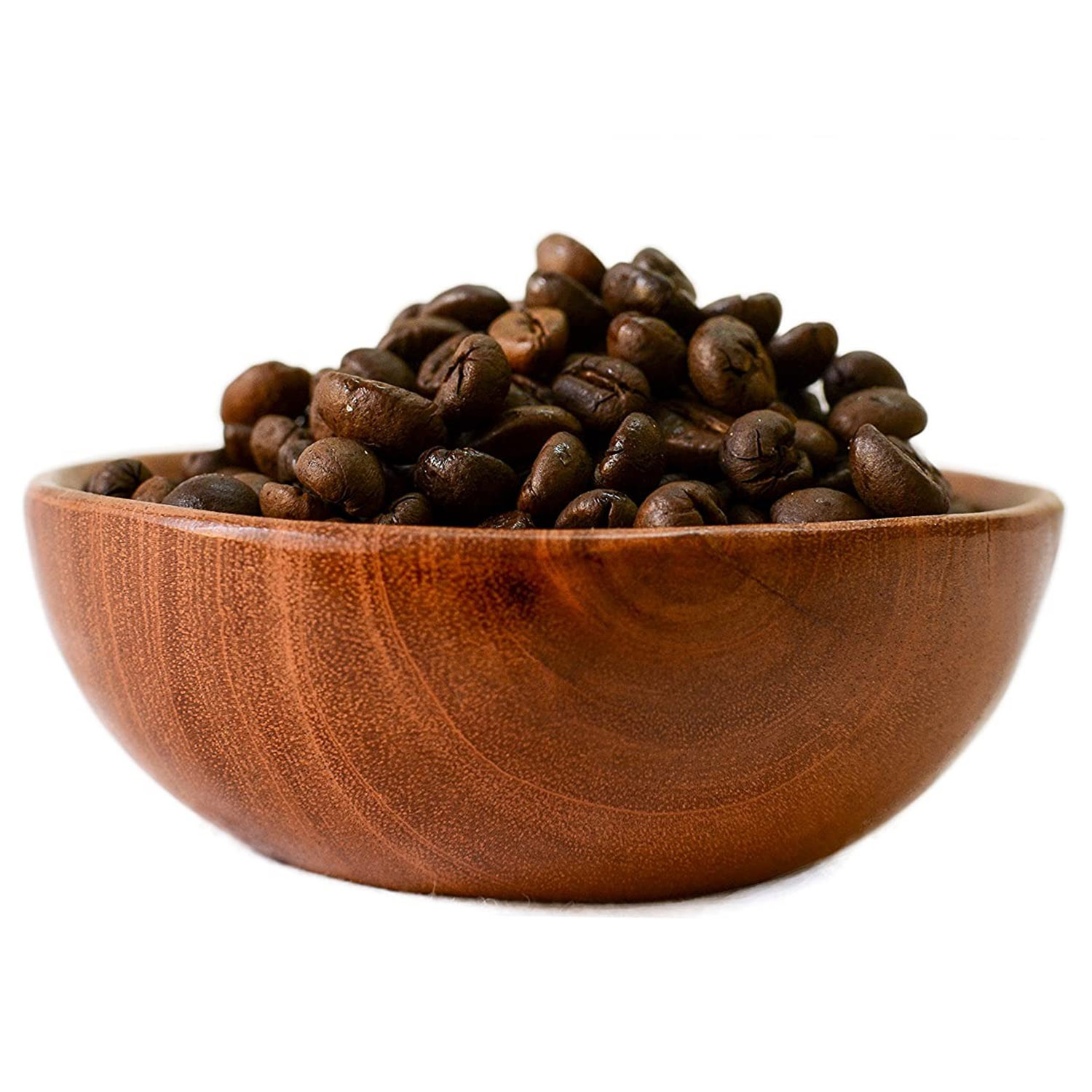
  • Rounder and smaller beans with a straight central crease
  • Grown at lower altitudes (200–800 meters above sea level)
  • Nearly double the caffeine content of Arabica
  • Strong flavor with heavier mouthfeel

Major Robusta-Producing Regions in India
  • Coorg (Karnataka)
  • Wayanad (Kerala)
  • Chikkamagaluru low-altitude zones
  • Parts of Tamil Nadu
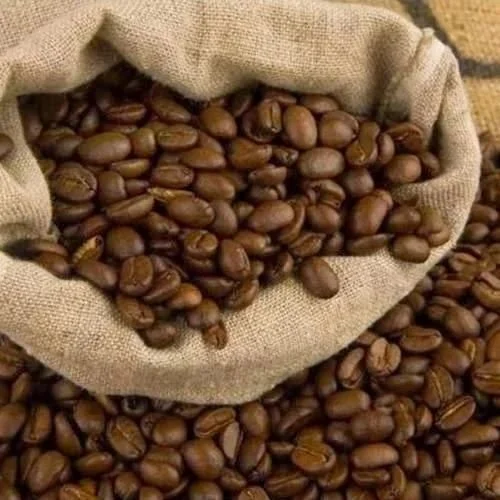
Robusta

View Products

Robusta

Arabica Supremo

View Products

Arabica Supremo

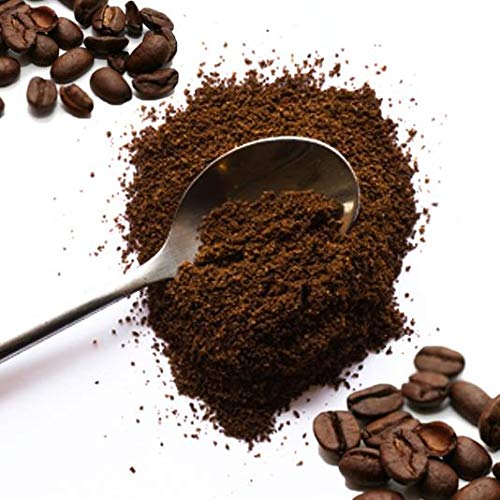
40% Robusta Filter Coffee

View Products

40% Robusta Filter Coffee

Taste Profile Comparison: Arabica vs Robusta

Understanding the taste differences between Arabica and Robusta is essential for buyers, café owners, roasters, and wholesalers, as flavor profile directly influences customer preference, pricing strategy, and blend formulation.

Parameter Arabica Coffee Beans Robusta Coffee Beans
Aroma Sweet, floral, fruity, nutty Earthy, woody, grain-like
Flavor Notes Chocolate, caramel, citrus, berries Bitter cocoa, rubbery, smoky
Acidity Level Medium to high acidity (bright and lively) Low acidity (flat but strong)
Bitterness Mild to moderate bitterness High bitterness
Body  Light to medium, smooth texture Full-bodied, heavy mouthfeel
Aftertaste Clean, lingering, pleasant Strong, sharp, long-lasting
Caffeine Content ~1.2–1.5% ~2.2–2.7%
Preferred Usage Specialty brews, filter coffee, single-origin Espresso blends, instant coffee

Caffeine Content Comparison

Understanding caffeine strength for commercial and consumer needs

Caffeine content plays a major role in determining coffee strength, bitterness, consumer alertness, and repeat purchase behavior. Buyers often choose beans based on how strong or mild the final brew feels, especially for cafés, instant coffee manufacturers, and bulk buyers.

Average caffeine level in Arabica coffee beans

Arabica coffee beans naturally contain lower caffeine, which contributes to their smooth taste and refined aroma.

  • Average caffeine content: 1.2% – 1.5% by weight
  • Lower caffeine allows subtle flavor notes to dominate
  • Preferred by consumers sensitive to bitterness or acidity
  • Ideal for specialty brews, filter coffee, and premium cafés

Average caffeine level in Robusta coffee beans

Robusta beans are known for their high caffeine concentration, making them stronger and more bitter.

  • Average caffeine content: 2.2% – 2.7% by weight
  • Nearly double the caffeine of Arabica
  • Acts as a natural pest resistance factor for the plant
  • Preferred for strong coffee, espresso blends, and instant coffee

How caffeine content influences buyer choice

Caffeine level directly impacts product positioning and pricing.

  • Cafés choose Arabica for flavor-focused menus
  • Commercial buyers prefer Robusta for strength and cost efficiency
  • Blends often combine both to balance taste and caffeine impact

Buyer Preference & Usage

  1. Preference in cafés and specialty coffee shops: Specialty cafés, boutique roasters, and premium coffee brands primarily prefer Arabica beans due to their aromatic complexity, smooth mouthfeel, and ability to offer single-origin experiences. Light and medium roasts are commonly used to highlight origin-specific flavors.
  2. Usage in instant coffee and commercial blends: Robusta dominates instant coffee, vending machines, and mass-market blends. Its high caffeine, strong body, and cost advantage make it suitable for large-scale production and consistent flavor output.
  3. Export demand vs domestic consumption:
  • Arabica sees higher export demand for specialty markets
  • Robusta has stronger domestic consumption due to affordability
  • Blended coffee caters to both domestic and international buyers

Demand Trends in India

Growing demand for Arabica in the premium coffee segment
India’s premium coffee market is expanding rapidly with rising café culture, urban consumers, and international exposure. Arabica demand is increasing among specialty cafés, online coffee brands, and export buyers seeking traceable, high-quality beans.

Strong demand for Robusta in mass-market and instant coffee
Robusta continues to dominate volume demand due to its affordability and strength. FMCG brands, institutional buyers, and instant coffee manufacturers rely heavily on Robusta for large-scale production.

Influence of cafés, hotels, and e-commerce

  • Café chains boost demand for high-grade Arabica
  • Hotels and restaurants prefer blended beans
  • E-commerce enables direct-to-consumer specialty coffee sales

Wholesale Price Comparison in India

Arabica Coffee Bean Price Range (Bulk Supply)

Arabica beans are priced higher due to lower yield, sensitive cultivation, and premium demand.

  • Wholesale price range (India): ₹420 – ₹650 per kg
  • Depends on grade (Plantation A, AA), origin, and processing
  • Specialty and washed Arabica fetch higher prices
  • Export-quality beans command premium rates

Robusta Coffee Bean Price Range (Bulk Supply)

Robusta offers cost efficiency and high volume availability, making it attractive for commercial buyers.
  • Wholesale price range (India): ₹260 – ₹420 per kg
  • Cherry, parchment, and plantation grades affect pricing
  • Bulk contracts often receive better rates
  • High demand keeps price relatively stable

Factors Affecting Wholesale Coffee Bean Prices

  • Bean grade and screen size
  • Processing method (washed, natural, cherry)
  • Origin and altitude
  • Seasonal harvest fluctuations
  • Export demand and currency movement

Supply Availability in India

  • Coffee harvesting season generally runs from November to February, with peak arrivals in January
  • Robusta offers more consistent year-round bulk availability
  • Arabica supply is more seasonal and quality-sensitive
  • India supports both domestic consumption and export markets
  • Long-term contracts ensure stable supply for wholesalers
  • Warehousing and curing facilities improve off-season availability

Selection Guide: Arabica or Robusta?

  • Taste & Aroma Preference: Arabica is the right choice for buyers prioritizing smoothness, aroma, and complex flavor notes such as fruity, nutty, or chocolate tones. Robusta suits buyers who prefer a strong, bold, and intense taste with heavier bitterness, commonly demanded in traditional and commercial coffee segments.
  • Caffeine Requirement: If the target audience seeks a high-energy and strong coffee experience, Robusta is more suitable due to its nearly double caffeine content. Arabica works better for consumers looking for balanced stimulation without harsh bitterness, especially in premium brews.
  • Target Customers & Pricing Strategy: Arabica fits well for specialty cafés, premium brands, boutique roasters, and export buyers where higher pricing is accepted. Robusta is ideal for mass-market consumption, instant coffee brands, hotels, and vending solutions where affordability and volume matter.
  • Availability & Supply Reliability: Robusta offers better year-round availability and consistent bulk supply, making it reliable for large-scale operations. Arabica supply is more seasonal and grade-dependent, best suited for planned procurement and long-term sourcing contracts.
  • Blending & Business Flexibility:Many buyers opt for Arabica–Robusta blends to balance cost, flavor, and caffeine strength—an effective strategy for cafés and commercial roasters aiming for consistent taste at controlled pricing.

Packaging, Storage & Shelf Life

  1. Bulk Packaging Options for Coffee Beans: Green coffee beans are commonly packed in jute bags (50–60 kg), GrainPro-lined sacks, or PP bags for moisture protection. Roasted beans are supplied in valve-sealed laminated packs to preserve aroma and freshness during transport.
  2. Storage Conditions to Retain Aroma & Freshness: Coffee beans should be stored in a cool, dry, and well-ventilated environment, away from sunlight, moisture, and strong odors. Maintaining stable temperature and humidity is crucial to prevent mold growth and flavor degradation.
  3. Shelf Life of Green Coffee Beans: Properly stored green beans can retain quality for 9–12 months, sometimes longer when stored in controlled conditions. Export-grade beans require stricter storage norms to maintain cupping scores.
  4. Shelf Life of Roasted Coffee Beans: Roasted beans have a shorter shelf life of 30–90 days, depending on roast level and packaging. Fresh roasting and airtight packaging are essential for preserving flavor and crema quality.
60% Arabica Supremo Filter Coffee

View Products

60% Arabica Supremo Filter Coffee

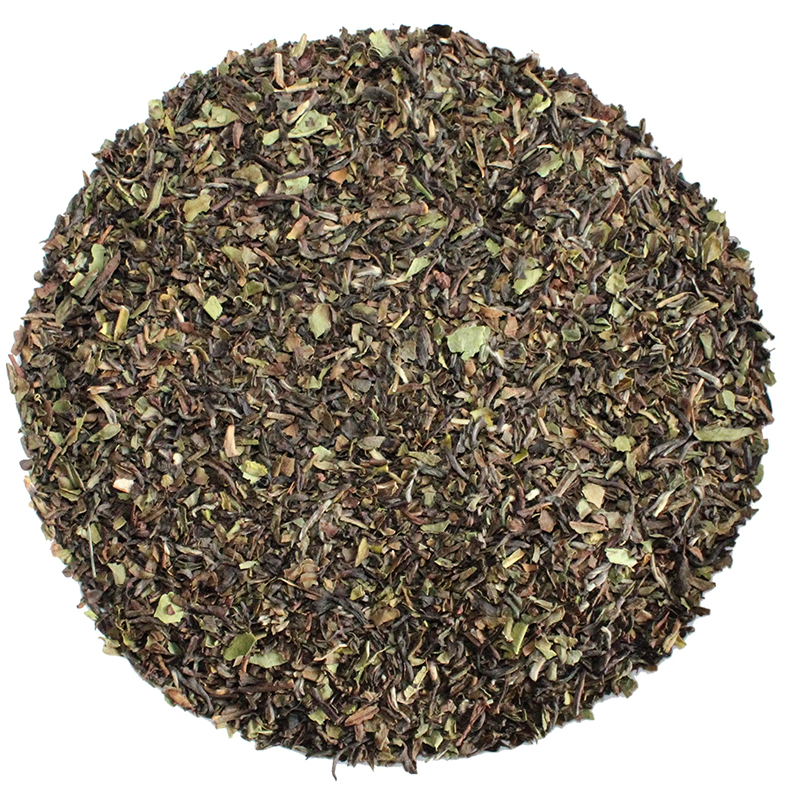
Darjeeling Fannings Tea

View Products

Darjeeling Fannings Tea

Robusta

View Products

Robusta

Why Choose Amrit Tea and Coffee Trading

Amrit Tea and Coffee Trading is a trusted supplier of premium Arabica and Robusta coffee beans, catering to cafés, roasters, wholesalers, and exporters across India. With strong sourcing networks in key coffee-growing regions, the company ensures consistent quality and traceability.

The brand focuses on carefully selected grades, proper curing, and quality checks, ensuring beans meet both domestic and international standards. Buyers benefit from flexible sourcing options, including single-origin beans and customized blends tailored to specific market needs.

With competitive wholesale pricing, reliable bulk supply, and timely delivery, Amrit Tea and Coffee Trading supports long-term business growth for both domestic and export buyers, making it a dependable partner in the coffee trade ecosystem.